

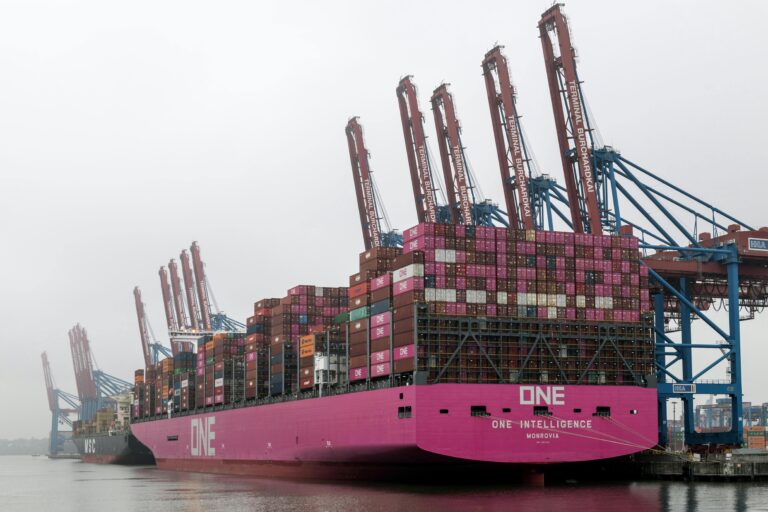
February 2026 Shipping Update: What It Means for Your International Move from the UK
If you are planning an overseas move this year, you may be hearing more about shipping delays, longer transit times, or changing costs.
This February 2026 update explains what is happening across global shipping, why it affects all international moves from the UK, and what it means for your move specifically.
The information is based on the latest industry guidance from the British Association of Removers (BAR) and reflects conditions impacting the entire UK international shipping market, not just one moving company.
What is happening with global shipping right now?
In February 2026, international shipping remains unpredictable.
Shipping lines are continuing to change routes, remove services, and adjust schedules at short notice. Ships may skip ports, be rerouted mid-journey, or sail without loading all planned containers.
When this happens, containers can be delayed, moved to later vessels, or discharged at alternative ports. While frustrating, these decisions are made by the shipping lines and are outside the control of UK moving companies.
Why are transit times less certain than before?
One of the biggest takeaways from the February update is how much transit times can vary on the same route.
For example, a shipment from the UK to Australia may take several weeks longer depending on which vessel is available at the time of loading. Even when booked on a faster service, containers can still be delayed due to congestion or capacity limits.
For this reason, transit times should be treated as estimates rather than guarantees.
What does this mean for your destination?
Moving to the USA or Canada
Moves to North America remain popular, but shipping space is limited.
You may experience:
- Longer notice periods to secure space on a vessel
- Occasional delays or sailing changes
- Transit times that vary depending on the ship used
Some routes into Canada are also seeing temporary surcharges due to low water levels on inland waterways.
Moving to Australia or New Zealand
Longer shipping routes are now standard for Australia and New Zealand. This means:
- Longer overall transit times
- Possible delays at Asian transhipment ports
- Containers may occasionally be moved to later sailings
Booking early and allowing flexibility can help reduce disruption.
Moving to Asia
Shipping services to Asia continue to operate, but many sailings are very busy. If a vessel is full, containers may be moved to the next available sailing, which can extend transit time.
Moving to the Middle East
The February update highlights increased pressure on services to the Middle East. Some shipping lines are offering fewer sailings, and available services are often full. Early booking is strongly recommended.
Moving to Africa
Where direct services are available, shipping remains relatively reliable. However, some inland and island destinations now require additional onward transport, which can increase both transit time and cost.
Moving to Latin America and the Caribbean
Shipping services are generally stable, but customs clearance at destination can take longer than the free storage period offered by shipping lines. This can sometimes result in storage charges.
Why might the cost change after you receive a quote
This is a common and understandable question. Across the UK shipping industry, prices can change due to:
- New environmental charges introduced in January 2026
- Fuel price reviews by shipping lines
- Currency exchange rate movements
- Short-notice surcharges applied by carriers
These costs are set by shipping lines and regulators and are not controlled by your mover.
Are there items that need extra care
Yes. Some household items are more tightly regulated in 2026.
- Lithium-ion batteries, found in e-bikes, scooters, and power tools, are strongly discouraged
- Fridges and freezers must be declared correctly
- Containers may occasionally be inspected by authorities, which can cause delays
Clear and accurate information at survey stage helps avoid problems later.
How can you reduce the risk of delays?
There are a few simple steps that can make a real difference:
- Book your move as early as possible
- Be flexible with your moving dates
- Treat transit times as estimates
- Declare all electrical or restricted items in advance
Global shipping conditions in February 2026 remain challenging, but experienced planning still matters.
John Mason International continues to manage international moves successfully every day, working closely with trusted partners around the world to keep customers informed and supported throughout their move.
These challenges affect everyone moving overseas from the UK, but with clear advice, realistic expectations, and expert handling, your move can still run smoothly.
If you are planning an international move and would like advice tailored to your destination, our team is here to help.