

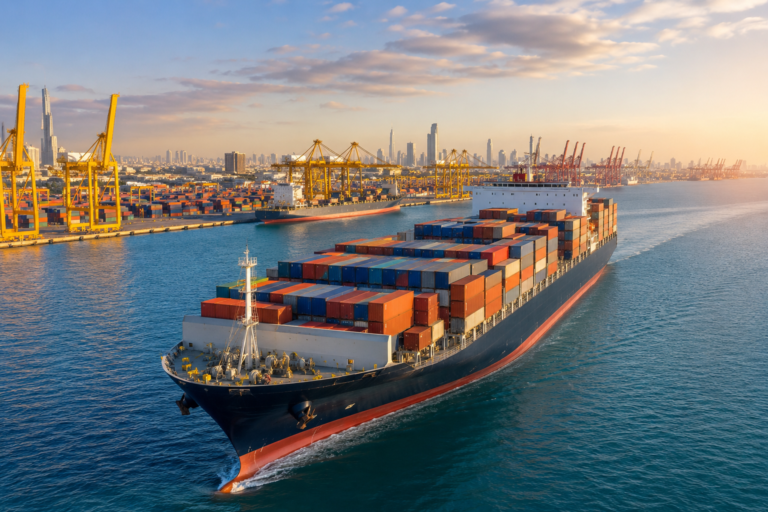
For several months, John Mason International has been keeping customers regularly updated on the disruption affecting container shipping in the Middle East and the wider global shipping network.
The latest industry forecast now provides the clearest indication yet of how long a return to normal could take.
According to freight market intelligence platform Xeneta, container shipping networks may require at least three months to recover from the disruption, with even a best-case scenario placing a return to more normal operations around mid-September 2026.
For anyone planning an international move to the Middle East, the message is not that moves must stop. International relocations are continuing, but reduced shipping capacity, changing schedules, longer transit times and rising costs are likely to remain part of the picture throughout the summer.
Why could recovery take another three months?
Reopening a shipping route does not mean the entire container network can immediately return to normal.
Before the conflict escalated, 99 container services operated in or passed through the Arabian Gulf. Together, those services deployed approximately 3.2 million TEU of nominal capacity. TEU is the standard measurement used by the shipping industry and represents the capacity of a 20-foot container.
Xeneta reports that only 11 of those services are currently active, representing approximately 74,000 TEU of capacity.
That leaves shipping lines with a considerable rebuilding exercise. Vessels have been diverted to other routes, crews and ships have been stranded inside the Gulf, containers have been displaced and established weekly schedules have been interrupted.
Even if the security situation continues to improve, returning all of those ships, containers and services to the right places will take time.
How will the shipping recovery happen?
Xeneta expects the recovery to take place in three main stages. The first priority will be safely extracting ships and crews that have been stuck inside the Arabian Gulf, some for several months.
The next stage is expected to involve the gradual return of smaller feeder and regional services. These vessels connect ports within the Gulf and transfer containers to larger ships operating on international routes.
Only after those regional connections have become more stable are shipping lines expected to restore the major long-haul services connecting the Middle East with Europe, Asia and North America.
Shipping lines are likely to take a cautious approach. Restarting a major long-distance service involves committing several ships, thousands of containers and significant amounts of cargo. A sudden deterioration in security could cause another wave of disruption across the entire global network.
This is why the recovery is expected to be gradual rather than immediate.
What does this mean for people moving to the Middle East?
Customers moving from the UK to Dubai, Abu Dhabi, Saudi Arabia, Qatar, Oman, Bahrain or Kuwait should continue to allow additional flexibility when planning their relocation.
Moves are still taking place, but the following issues may continue over the coming months.
Transit times may remain unpredictable
Shipping lines can change sailing dates, routes and connecting vessels at short notice. A container may also be transferred between vessels at a regional hub rather than travelling on a direct service.
This means that transit times should continue to be treated as estimates rather than guaranteed arrival dates.
Where possible, avoid arranging the start of a tenancy, the purchase of essential furniture or other important commitments around one exact container arrival date.
Container space may remain limited
With only a small proportion of the previous Arabian Gulf services currently operating, available space remains under pressure.
Containers can sometimes be moved to a later vessel if a sailing is full, a process known within the shipping industry as being “rolled”. Booking your international move early gives your removal company more time to secure the most appropriate available service.
Routes may involve additional connections
The container shipping network that eventually emerges may not look exactly the same as it did before the conflict.
Shipping lines may make greater use of regional feeder vessels and transhipment ports, rather than sending large long-haul ships directly into the Arabian Gulf.
This approach can help protect the wider international network from future disruption, but an additional transfer between vessels may also increase the overall transit time.
Costs may remain under pressure
Xeneta expects container spot rates to continue rising before the market reaches its peak. The company’s figures show substantial increases across several major global trade routes since the conflict began. Rates from the Far East to Northern Europe, for example, had risen by more than 100% by 19 June 2026.
These commercial freight figures are not the same as the price of an individual household move. However, international removals companies use the same vessels, ports and container networks, so rising carrier rates, fuel costs, war-risk charges and operational surcharges can eventually affect the cost of moving household goods overseas.
Some charges are introduced directly by shipping lines and can change at short notice.
Does this only affect moves to the Middle East?
No. The effects can extend well beyond the region.
Hundreds of vessels that previously served the Arabian Gulf have been diverted or repositioned elsewhere. When ships are removed from one route and added to another, it disrupts vessel schedules, container availability and port capacity across the wider network.
This means moves to destinations outside the Middle East may also experience schedule changes, congestion or increased freight costs.
The Middle East remains at the centre of the current disruption, but international shipping is a connected global system. A major interruption in one region can create delays thousands of miles away.
Should you postpone your international move?
Not necessarily.
Most international moves can still proceed, but customers should plan around the current conditions rather than assuming shipping has returned to normal.
Our advice is to begin arranging your move as soon as your approximate dates are known. Allow additional time within your plans, remain flexible about the arrival of your belongings and keep essential items with you rather than placing everything inside your sea shipment.
It may also be sensible to plan for a period in your new home before your main household shipment arrives. Important documents, medication, work equipment, children’s essentials and enough clothing for the first few weeks should travel separately from your container.
An experienced international removals company should explain the current position honestly and help you understand the available routing, likely transit time and potential additional costs before your shipment leaves the UK.
We have kept customers regularly updated
Since the Middle East disruption began, John Mason International has provided regular shipping updates to help customers understand a rapidly changing situation.
We have covered the suspension and diversion of services, the introduction of war-risk and fuel surcharges, the gradual reopening of routes and the wider effect on global container capacity.
This latest forecast is an important development because it provides a possible timeframe for recovery. However, mid-September 2026 remains a best-case estimate rather than a guaranteed date.
The actual recovery will depend on the security situation, the safe reopening of shipping channels, the return of regional services and the willingness of major carriers to recommit long-haul vessels to the region.
We will continue monitoring industry developments and keeping customers informed as further information becomes available.
How John Mason International can help
No international removal company controls global shipping schedules, security conditions or carrier surcharges.
What we can control is how carefully your move is planned, how clearly the situation is explained and how proactively your shipment is managed.
John Mason International works with established shipping lines and trusted overseas moving partners throughout the Middle East. Our team monitors available services, reviews contingency routings and communicates any significant changes that could affect a customer’s move.
Our aim is always to provide realistic guidance rather than promises that depend on circumstances outside any mover’s control.
Frequently asked questions
When will Middle East container shipping return to normal?
Xeneta’s best-case forecast places the recovery of ocean supply chain networks around mid-September 2026. This is an estimate and could change depending on security conditions and how quickly shipping lines restore their services.
Are removals from the UK to Dubai and the UAE still operating?
Yes. Moves to Dubai, Abu Dhabi and other destinations in the UAE are still taking place. Customers should, however, allow for reduced vessel capacity, longer or changing routes and less predictable transit times.
Will shipping prices fall in September?
Not necessarily. A recovery in services should eventually reduce some pressure on capacity, but freight prices may not immediately return to their previous levels. Fuel costs, demand, carrier surcharges and the structure of the restored shipping network will all influence future pricing.
Can Middle East disruption affect a move to another country?
Yes. Ships and containers diverted from the Arabian Gulf affect capacity elsewhere in the global network. Moves to other destinations can therefore experience indirect delays, congestion or increased costs.
How far in advance should I book my move?
Customers should begin planning as early as reasonably possible. Early booking provides more time to arrange packing, complete customs documentation, review available sailings and prepare for any changes to the expected schedule.
Planning a move to or from the Middle East?
If you are moving to Dubai, Abu Dhabi, Saudi Arabia, Qatar, Oman, Bahrain, Kuwait or elsewhere in the Middle East, speak to John Mason International about the latest shipping conditions.
Our international removals team can explain the available options, current estimated transit times and the practical steps you can take to make your move as smooth as possible.
Contact us today for advice or request a free international moving quotation.