

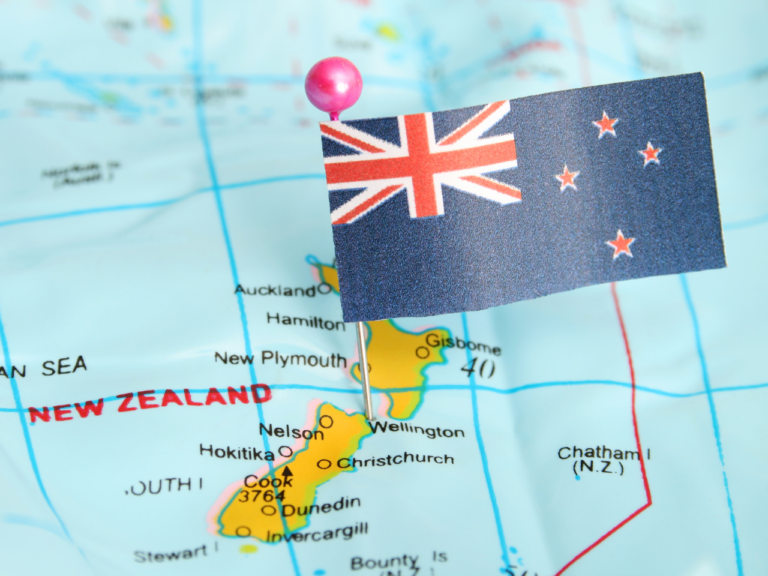
For years, moving to New Zealand as a skilled worker has often been associated with degree-level professions, points calculations and lists of occupations the country desperately needs.
But the rules have changed.
As of 24 August 2026, New Zealand has introduced a dedicated Trades and Technician pathway within its Skilled Migrant Category Resident Visa. It means people working in a range of practical and technical occupations now have a specific route towards New Zealand residence, provided they meet the eligibility requirements.
For British tradespeople who’ve occasionally found themselves staring out of the window at another rainy Monday morning and wondering what life in New Zealand might look like, it’s a change worth knowing about.
Could your trade eventually become your ticket to a new life in New Zealand?
What is New Zealand’s new Trades and Technician pathway?
The Trades and Technician pathway forms part of New Zealand’s Skilled Migrant Category. It’s aimed specifically at people working in eligible trade and technician occupations who have built their skills through a combination of qualifications and practical experience.
Immigration New Zealand says eligible areas include roles across construction, engineering, manufacturing, automotive trades and technical support.
That matters because skilled migration isn’t only about doctors, software developers and university graduates. New Zealand needs people who can actually build, repair, manufacture, maintain and install things too.
Which trades are eligible to move to New Zealand?
Immigration New Zealand maintains an official list of occupations eligible for the Trades and Technician pathway, covering a range of practical and technical roles.
If you’re considering moving to New Zealand for work, checking your exact occupation against Immigration New Zealand’s current list should be one of your first steps.
Don’t rely on a social-media video telling you that “New Zealand wants tradespeople” or that your job “guarantees residency”. It doesn’t. The occupation list is only one part of the eligibility criteria.
What do you need to qualify?
Simply having an eligible trade does not mean you can immediately apply for New Zealand residence from Britain.
Under the current Trades and Technician pathway, applicants generally need employment or an offer of employment in New Zealand in an eligible occupation, pay meeting the relevant Skilled Migrant Category threshold and an appropriate relevant qualification.
Applicants also need relevant post-qualification work experience, including skilled work experience in New Zealand meeting the pathway’s requirements.
So this is better thought of as a pathway towards residence rather than an instant residence visa for anyone in Britain who happens to work in an eligible trade.
That distinction matters.
Good news if your trade qualification was gained overseas
There’s another important change for people trained outside New Zealand. Immigration New Zealand has confirmed changes to how overseas Trades and Technician qualifications are assessed, including removal of the previous 120-credit requirement for overseas qualifications used for this pathway.
You’ll still need to satisfy Immigration New Zealand that your qualification is relevant and meets the required level, so it’s important to check the latest official requirements for your circumstances.
Why does New Zealand want skilled tradespeople?
New Zealand, like Britain, needs skilled people to keep its economy and infrastructure functioning. Homes need building. Vehicles need maintaining. Equipment needs repairing. Businesses need technicians and industry needs experienced workers.
The new pathway recognises that valuable skills aren’t only developed at university.
That’s potentially significant for experienced British tradespeople who may have spent years building qualifications and practical experience but previously found skilled-migration systems difficult to navigate.
Simon Hood, owner of John Mason International, says: “There’s sometimes a perception that moving overseas through a skilled route is mainly for people with university degrees and office-based professions. New Zealand’s changes are a useful reminder that practical skills have enormous international value too. If you’ve spent years learning a trade, that experience could potentially open doors much further away than your next job down the road.”
What could life in New Zealand offer a British family?
A visa route is only one reason to move country. For many British families considering moving to New Zealand, the attraction is much broader.
New Zealand is known for its outdoor lifestyle, spectacular landscapes and smaller population. Auckland offers the opportunities of the country’s largest city, while Christchurch, Wellington and regional communities can provide very different lifestyles.
For someone accustomed to Britain’s daily routine, the prospect of starting again somewhere completely different can be enormously appealing.
But don’t make the decision based on photographs of mountains and beaches. Research salaries, housing and the cost of living. Look at the actual location of prospective jobs. Think about schools if you’re moving with children and, most importantly, understand exactly what your visa allows you to do.
Don’t resign from your UK job just yet
Visa changes inevitably produce excitable headlines and social-media posts suggesting New Zealand is desperate for British workers. Reality is more complicated.
Having an occupation on an eligible list doesn’t guarantee you a job, visa or residence. Your individual circumstances matter, and immigration rules can change.
John Mason International specialises in moving people’s belongings internationally; we aren’t immigration advisers. Before making decisions about employment, visas or residency, check your circumstances directly with Immigration New Zealand or obtain appropriate licensed immigration advice.
That’s particularly important before resigning from a job, selling your home or booking an international move.
Could your Monday morning eventually look very different?
For the right person, though, New Zealand’s new pathway presents an interesting possibility.
The qualification you earned years ago, the apprenticeship you completed and the experience you’ve accumulated turning up for work every morning and becoming genuinely good at what you do might be worth more internationally than you realise.
Simon says: “People sometimes assume moving to the other side of the world requires completely reinventing themselves. For some skilled workers, it could actually be the opposite. The thing that creates the opportunity to move might be the skill they’ve already spent years developing.”
Thinking about moving to New Zealand from the UK?
If your career is taking you to New Zealand, John Mason International can help with the next part: getting your belongings there.
We’ve been moving people overseas since 1884 and specialise in international removals from the UK to New Zealand. Whether you’re moving a smaller shipment while you establish yourself, relocating with a partner or taking your entire family and household to the other side of the world, our team can help you plan your international move.
First check whether your skills can get you there. Then let John Mason help get the rest of your life there too.