

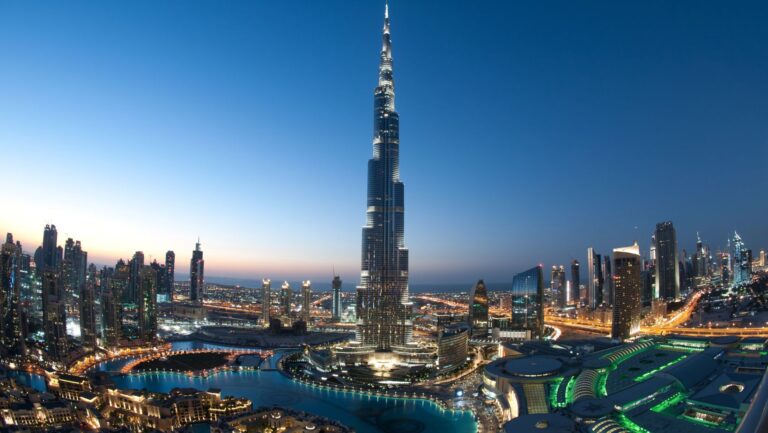
Living in the Middle East can be very different to living in the UK, and it is important to understand these differences before you make your move. Knowing what to expect from life in the Middle East can help make your transition easier.
This comprehensive guide explores what life is like for expats and families relocating to the Middle East, highlighting key lifestyle aspects, cultural insights, and the unique opportunities this vibrant region offers for work and everyday living.
Middle Eastern Culture and Customs
Dress Code
In the Middle East, dress codes are generally conservative, but this varies depending on the country and context.
Women are typically expected to wear modest clothing that covers their arms and legs, with garments like the abaya popular in countries such as Saudi Arabia, the UAE, and Qatar. Headscarves may also be worn as a sign of modesty, especially in more traditional areas or when visiting religious sites.
Men typically wear long trousers and collared shirts, with traditional attire like the thobe or dishdasha common in Gulf countries like Bahrain, Kuwait, and Oman. Western-style clothing is accepted in many cities, but respecting local customs by dressing modestly in public is important to blend in and avoid unwanted attention.
Alcohol Consumption and Public Behaviour
Laws surrounding alcohol consumption in the Middle East vary widely. In some countries, like the UAE and Bahrain, licensed venues serve alcohol, but it is generally forbidden to drink or be publicly intoxicated outside these places. In Saudi Arabia, alcohol is strictly prohibited by law. It is also important to consider social attitudes towards drinking. For example, loud or disruptive behaviour is often frowned upon.
Other local customs to be aware of include attitudes towards public displays of affection, which is typically frowned upon. Understanding and adhering to these regulations is crucial for respecting the culture and avoiding legal issues while living in the Middle East.
Language and Communication
Arabic is the official language throughout the Middle East and holds cultural and religious significance. English is also widely used in business, education, and daily life in major cities and expat communities. Learning basic Arabic will help you with day-to-day tasks and also shows you have a level of cultural respect, making it easier to build relationships with locals.
You should be aware of the preferred communication styles of the region you are moving to, such as formal greetings and indirect methods of conveying disagreement. Developing this cultural sensitivity enhances both social and professional interactions.
Social Norms and Etiquette
Societies within the Middle East largely value hospitality, respect, and tradition. These values shape their daily social interactions.
Greetings will typically involve handshakes or cheek kisses, but practices vary by country, gender, and the formality of the occasion. For example, men will typically avoid initiating a handshake with a woman, and instead will wait for the woman to extend her hand to them.
During religious observances such as Ramadan, it’s important to be mindful of fasting practices, and you should refrain from eating, drinking, or smoking in public during daylight hours as a sign of respect.
Showing respect for elders and understanding social hierarchies is also expected. Younger people should stand when elders enter a room, and elders often receive priority in seating and service.
Hospitality rituals are also important in Middle Eastern culture. Guests are usually given the best seats, and food and drink are offered repeatedly as a sign of generosity. It is common etiquette to initially decline these offers a few times before accepting.
Awareness of social norms and cultural customs will help you build trust, foster positive communication, and enable meaningful experiences within your new local community.
Cost of Living in the Middle East
Country and City Comparisons
The cost of living across the Middle East varies significantly depending on the country and city.
For example, cities like Dubai and Abu Dhabi tend to have higher housing and schooling costs, often ranking among the most expensive in the region. In contrast, cities in Oman and Bahrain generally offer more affordable living expenses, with lower rent and daily
costs.
Groceries, utilities, and transportation expenses may also fluctuate depending on local economic factors and government subsidies. Understanding these regional differences is crucial for budgeting and financial planning when moving to the Middle East.
Affordability vs. Lifestyle
Some Middle Eastern cities offer luxurious lifestyles with high costs, and they also provide world-class amenities, vibrant social scenes, and career opportunities. More affordable locations may provide a slower pace of life and closer community ties, but might have fewer entertainment and international service options.
You should weigh these trade-offs according to your priorities, considering factors like family needs, career goals, and personal preferences. This will enable you to find the best match for your lifestyle and budget.
Education and Schooling in the Middle East
International/Expat Schooling Options
Expats in the Middle East have access to a broad selection of international schools offering curricula such as British, American, and International Baccalaureate (IB).
These schools often benefit from diverse student communities and high academic standards, making them popular among expat families. Application timelines can be very competitive, so early research and enrollment are recommended.
Many also provide extracurricular activities and language support to help children integrate smoothly into their new community.
Local Education Systems
Local schools typically follow national curricula and emphasise cultural and religious education aligned with the country’s values.
If your child attends local schools rather than international schools, understanding the structure, spoken language, and expectations of local education is important for effective integration and academic success.
Some countries offer bilingual programs or private schooling alternatives that blend international and local education standards.
Healthcare Systems in the Middle East
Access and Quality
Major Middle Eastern cities generally have well-developed healthcare facilities, including public and private hospitals, clinics, and specialised medical centres that meet international standards.
Countries like the UAE, Qatar, and Saudi Arabia invest heavily in healthcare infrastructure, ensuring expats have access to quality medical care. Availability may vary
in smaller towns or rural areas, so it is important to consider healthcare accessibility when choosing where to live.
Insurance for Expats
Health insurance is often mandatory for expats, with many countries requiring proof of coverage for visa applications. Options range from employer-provided plans to private international insurance schemes.
Comprehensive coverage ensures access to a wide range of treatments and specialists, often including access to private hospitals, which offer shorter wait times and higher levels of comfort.
To choose the best insurance for your needs, you should research different policy terms, coverage limits, and local healthcare regulations.
Pros and Cons of Living in the Middle East
Living in the Middle East offers numerous benefits along with some challenges that expats should consider carefully.
Pros of living in the Middle East
- Tax-Free Salaries: Many countries in the region, including the UAE and Saudi Arabia, offer zero personal income tax, allowing expats to take home more of their earnings.
- Attractive Job Market: The Middle East is home to a variety of different industries, including finance, technology, and energy, providing great career opportunities.
- Modern Lifestyle: Cities such as Dubai and Doha offer world-class infrastructure, healthcare, shopping, and entertainment options.
- Diverse Expat Communities: A rich mix of nationalities creates supportive networks and cultural exchange opportunities.
- Strategic Location: There is easy travel access to Europe, Asia, and Africa, which opens up business and leisure possibilities.
Cons of living in the Middle East
High Living Costs: Urban centres can be expensive, particularly for housing, education, and healthcare.
- Cultural Adaptation: Adjusting to conservative social norms and local laws can be challenging and requires sensitivity and respect.
- Extreme Weather: Hot summers with temperatures often exceeding 40°C can be difficult for some individuals to live with.
- Regulatory Differences: Strict laws around behaviour, dress, and alcohol might limit personal freedoms experienced elsewhere, such as in the UK and other Western countries.
Considering these factors will help you prepare and make the most of your experience
living in the Middle East.
Best Middle Eastern Countries to Move To
The Middle East is home to several attractive destinations for expats, each offering a unique blend of culture, lifestyle, and opportunities:
- The UAE, including Dubai and Abu Dhabi: Home to modern infrastructure, tax-free incomes, and vibrant multicultural communities.
- Qatar and Bahrain: Offers access to excellent healthcare and education systems alongside growing economic prospects.
- Oman: A great choice for individuals looking for a place with high levels of natural beauty and a more tranquil pace of living.
- Saudi Arabia: Provides good employment options and is rapidly evolving with new reforms and business opportunities.
- Kuwait: Offers a traditional lifestyle combined with strong welfare benefits, making it one of the top choices for relocating professionals and families.
When choosing the best country to move to, you should consider factors like your career goals, lifestyle preferences, and family needs. You should also think about local culture, cost of living, and legal frameworks to make sure it fits in with your personal and professional aspirations.
How John Mason Can Help
John Mason International offers expert relocation services tailored specifically for moves to the Middle East.
With over 100 years of experience, our dedicated Move Managers will guide you through every step from planning and packing your belongings to managing customs clearance, insurance, and pet relocation.
Our team’s deep knowledge of local regulations and cultural nuances ensures a smooth, stress-free transition to your new home. We provide personalised advice and handle the logistics efficiently, making international removals seamless and reliable for individuals, families, and businesses alike.
Ready to start your journey to the Middle East? Contact John Mason today for expert relocation assistance and get a tailored, no-obligation quote.
More information on relocation to the Middle East
Looking to move to the Middle East? With over 130 years of experience, John Mason International offers expert, stress-free relocation services tailored to your needs. Check out our other content below: