

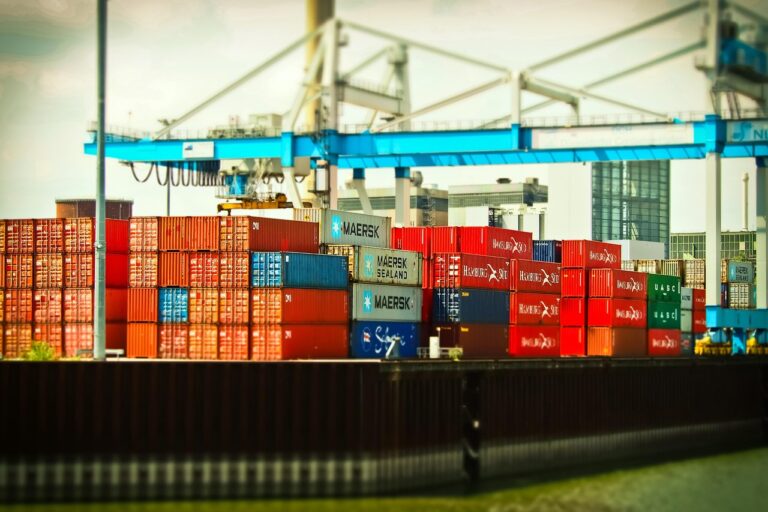
Shipping services to the Middle East are starting to return, but the latest update shows international moves are now more complex, more expensive and less predictable than before.
The newest report from the British Association of Removers (BAR) highlights that while routes are reopening, the global shipping environment remains highly unstable.
Shipping Services Are Back – But Not As Before
After a period where shipments to the Middle East were suspended, shipping lines are now beginning to reintroduce services into the region. However, these are not the same routes as before.
Instead of traditional direct sea routes, many shipments are now being moved via alternative routings, often involving additional overland transport.
This creates a number of challenges:
- Limited availability of shipping space
- Routes that can change at short notice
- Higher costs due to additional transport stages
In simple terms, shipping has restarted, but it is far less straightforward than it used to be.
Why Costs Are Increasing
One of the biggest changes highlighted in the latest update is cost.
Shipping lines are no longer honouring pre-conflict freight rates, and pricing is now highly variable depending on the route and availability.
In addition, a number of extra charges are now being introduced, including:
- War Risk surcharges
- Fuel (bunker) surcharges
- Operational surcharges linked to terminals and transport
These can be applied quickly and may not have been included in earlier quotations.
Delays Are Still a Major Issue
While services are returning, delays remain a key challenge. Many containers that were affected at the start of the disruption are still sitting at alternative ports, particularly in locations such as India, with no confirmed timeline for delivery.
Even new shipments may experience delays due to:
- Limited vessel capacity
- Changes to shipping routes
- Containers being moved to later sailings
Transit times also remain unpredictable. For example, a shipment from the UK to Australia can still take anywhere between 56 and 89 days, depending on the vessel and routing.
Global Impact Beyond the Middle East
The effects of the disruption are not limited to one region. Across global shipping routes, there are ongoing challenges including:
- Congestion at major ports in Europe and Asia
- Increased demand on alternative shipping routes
- Rising fuel costs affecting overall freight pricing
This means even moves to destinations outside the Middle East may be affected.
What This Means for Your Move
If you are planning an international move in 2026, it is important to understand that:
• Shipping routes may change after booking
• Transit times may be longer than expected
• Costs may increase between quotation and shipment
• Availability of space on vessels may be limited
These factors are driven by global shipping conditions and are outside the control of your moving company.
Planning Ahead
Despite the challenges, international moves are still taking place every day.
The best way to minimise disruption is to:
- Plan your move as early as possible
- Stay flexible with your moving dates
- Work closely with your move coordinator
At John Mason International, we closely monitor global shipping developments and will always keep you informed if anything changes that could affect your move.